Building a house in Rwanda is one of the biggest investments most families will ever make. It is also a long process with many decisions, approvals and people involved. Knowing the stages in advance helps you plan your budget, avoid delays and keep control of quality from the first drawing to the day you move in.
This guide walks through the main stages of building a house in Rwanda, from checking your land to receiving your occupancy permit. It is written for homeowners and first-time builders, especially in Kigali, but the same steps apply across the country.
In this guide
- Secure your land before building a house in Rwanda
- Define your brief and budget
- Design comes first when building a house in Rwanda
- Apply for your building permit
- Choose your contractor
- Site preparation and foundations
- Structure, roof and services
- Finishing and interior design
- Final inspection, occupancy and handover
- Common mistakes when building a house in Rwanda
1. Secure your land before building a house in Rwanda
Before you think about design, make sure the plot is truly ready to build on. First, confirm that the land title is valid and registered in your name. Next, check what the land is zoned for in the local master plan, because zoning controls what you can build, how high, and how much of the plot you can cover. In Kigali, the City of Kigali master plan sets these rules for each zone.
- Confirm the land title and that there are no disputes or debts attached to the plot.
- Check the permitted use (residential, mixed use, commercial) and building limits for your zone.
- Look at access roads, slope, drainage and soil conditions, since these affect foundation costs.
- Ask neighbours and the local sector office about water and electricity connections.
2. Define your brief and budget
A clear brief saves money later. List the rooms you need today and the ones you may add in the future, such as an extra bedroom or a rental unit. In addition, decide on the level of finish you want, because finishes often decide whether a project stays on budget.
Your budget should cover design fees, permit costs, construction, finishes, furniture and a contingency reserve for surprises. For a detailed look at what drives costs, read RIORI’s guide on how much it costs to build a house in Rwanda.
3. Design comes first when building a house in Rwanda
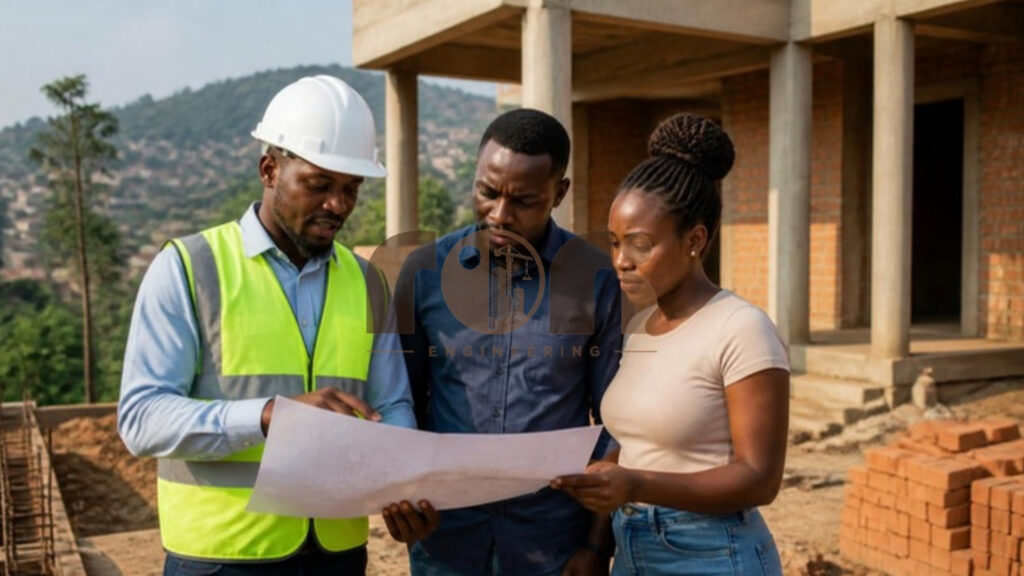
Good design is where building a house in Rwanda really begins. An architect turns your brief into floor plans and elevations, while a structural engineer makes sure the building is safe. These drawings are also required for your building permit.
In Rwanda, engineers and engineering firms must be registered and licensed by the Institute of Engineers Rwanda (IER), which keeps a public registry you can use to verify them. Therefore, always ask for registration numbers and check them before you sign anything.
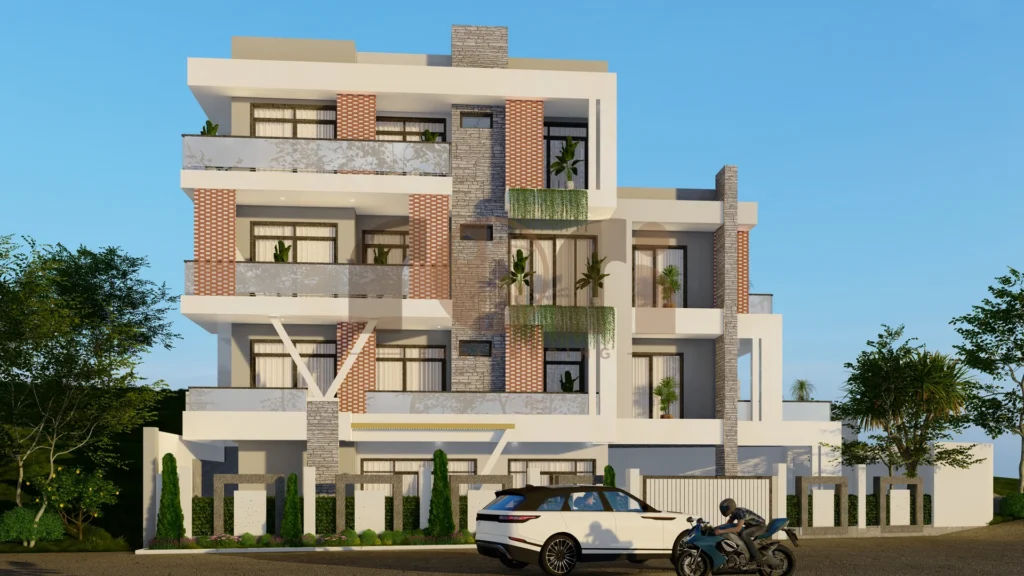
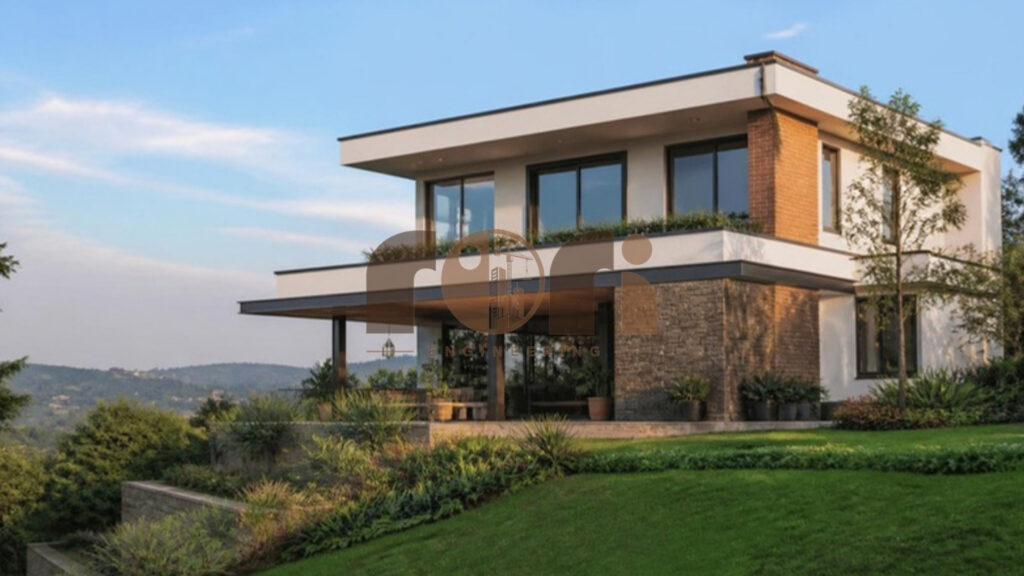
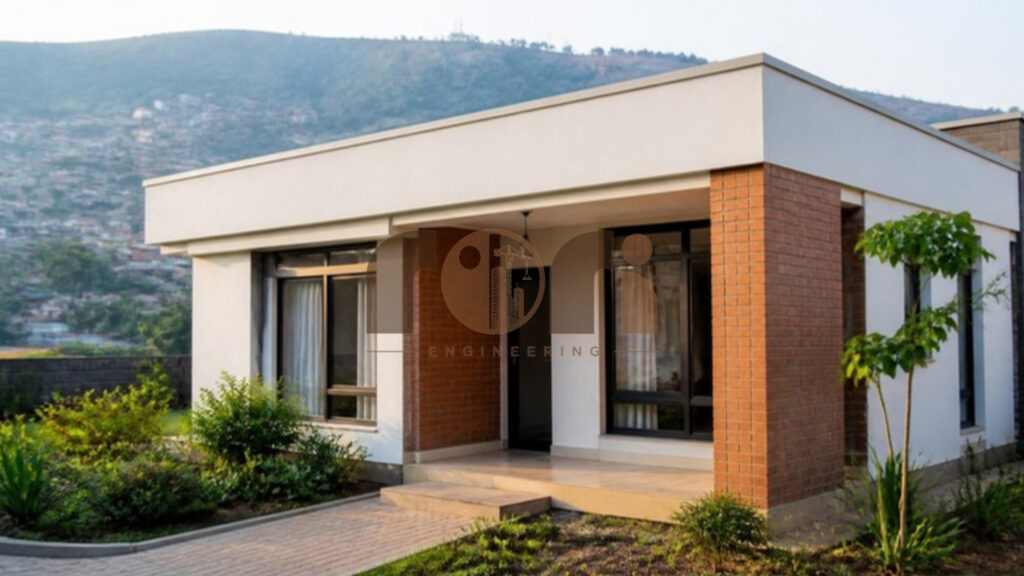
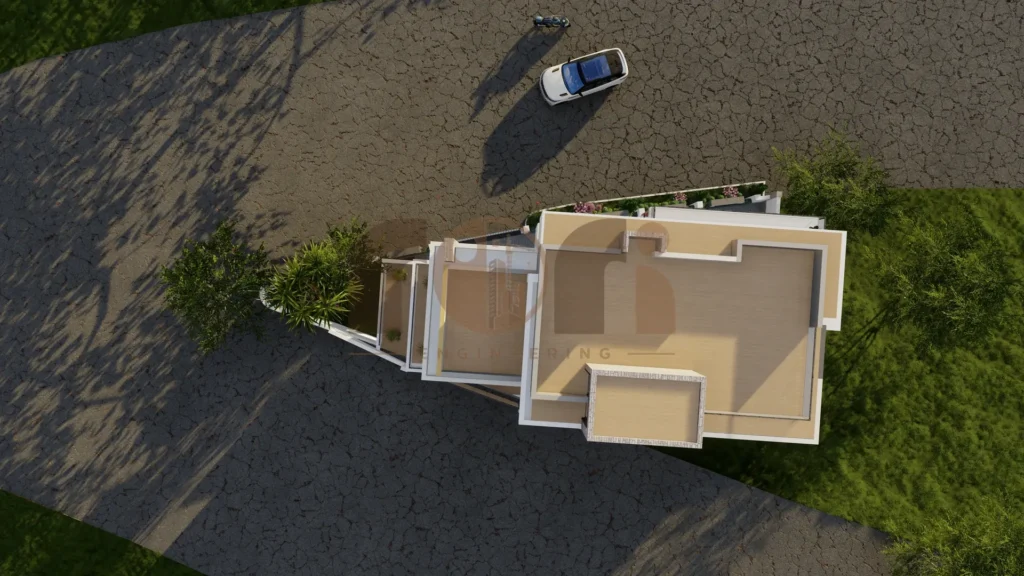
3D visualizations are worth asking for at this stage. They show you the facade, materials and proportions before any money is spent on site, so changes are cheap and easy.
4. Apply for your building permit
Building permits in Rwanda are handled online. In 2025, the government launched Kubaka, the upgraded permit platform that replaced the earlier Building Permit Management Information System (BPMIS). According to the Ministry of Infrastructure, it lets citizens and professionals apply for and track permits online.
Your permit application will normally include your land documents and the architectural and structural drawings prepared by registered professionals. Requirements depend on the size and category of the building, so check the latest checklist before you apply. For a step-by-step explanation, see RIORI’s construction permit guide for Rwanda.
5. Choose your contractor
The contractor you choose will shape the quality, cost and timeline of your house. Compare at least three detailed quotes based on the same drawings and bill of quantities. Also visit projects they have completed, speak to past clients and agree on a written contract with clear milestones. Our guide on how to choose a construction company in Kigali covers this step in detail.
6. Site preparation and foundations
Work on site starts with clearing, setting out the building on the plot and excavation. Then the foundations are built according to the structural drawings. This is one of the most important stages, because mistakes here are very expensive to fix later.
Under the Rwanda Building Code, buildings are inspected at key stages from the foundation to completion to confirm that work follows the approved permit. As a result, keep your permit and approved drawings on site and make sure inspections are booked on time.
7. Structure, roof and services
Next come the columns, walls, slabs and stairs, followed by the roof. Once the building is closed, plumbing and electrical rough-ins are installed inside walls and floors. Plan these carefully with your designer, because moving a socket or a drain after plastering costs time and money.
- Agree on the position of every socket, switch, light point and water outlet before plastering.
- Plan for future needs such as solar panels, water tanks and internet cabling.
- Check that materials delivered to site match the specification in your contract.
8. Finishing and interior design
Finishing includes plaster, ceilings, flooring, tiling, joinery, doors, painting and fittings. It is also the stage where many projects lose time, because decisions about tiles, kitchens and lighting are left too late. Ideally, involve an interior designer while the house is still being designed, so that layouts, lighting and storage are planned together.
Riori Design offers interior design services in Rwanda, from 3D concepts to furniture, lighting and fit-out, so your interiors are ready to go when construction reaches this stage.
9. Final inspection, occupancy and handover
When the work is complete, a final inspection confirms that the building matches the approved permit and is safe to use. After that, you apply for an occupancy permit, which certifies that the building is fit to be lived in. Before you accept handover, walk through every room with your contractor and write a snagging list of defects to be fixed.
Common mistakes when building a house in Rwanda
- Starting construction before the permit is approved.
- Choosing a contractor on price alone without checking past work.
- Skipping a contingency reserve in the budget.
- Changing the design after work has started.
- Leaving interior decisions such as kitchens, tiles and lighting until the end.
Building a house in Rwanda: your next steps
Building a house in Rwanda goes much more smoothly when each stage is planned in advance and every professional on your team is qualified. In short, take time on the land checks, the brief and the design, because these early decisions shape everything that follows.
Planning a construction project in Rwanda? Contact Riori to discuss your house, from design and permits to finished interiors.